


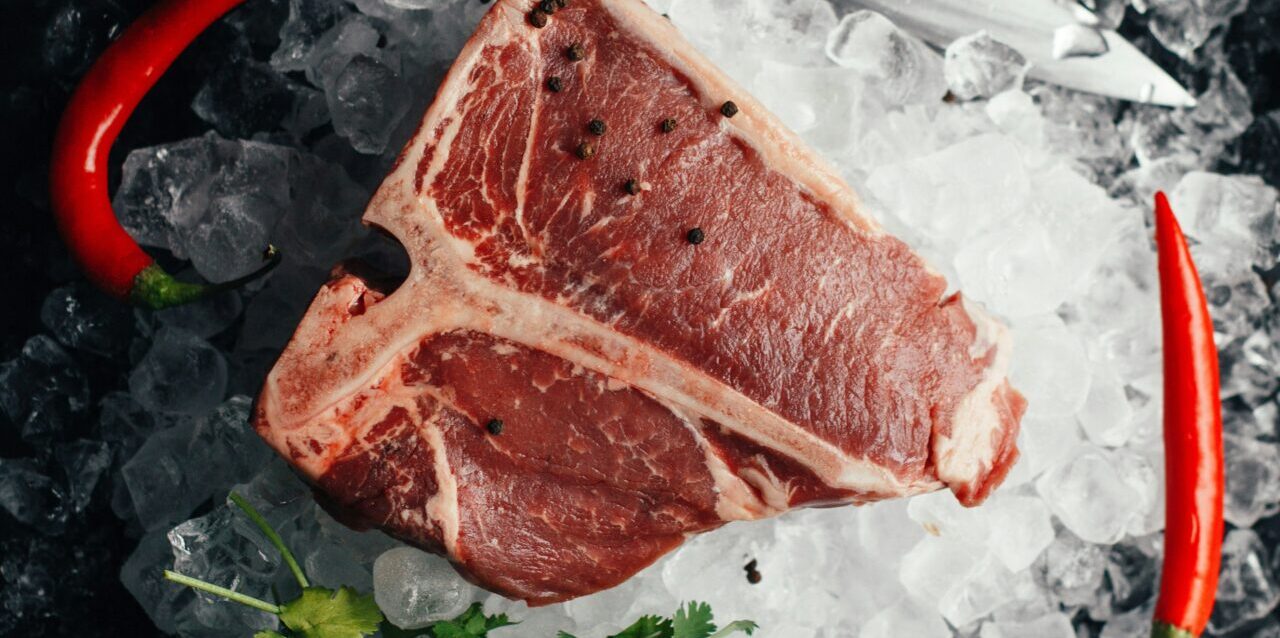
The quality of a frozen food product depends not only on the production process, but also on the ability to maintain constant conditions throughout transport. Frozen foods must be kept at between -18 °C and -25 °C to preserve their nutritional and organoleptic properties. For this reason, temperature control is one of the most important aspects of temperature-controlled transport.

Why must frozen food be kept at between -18 °C and -25 °C?
Deep-freezing enables products to be frozen rapidly, preventing the formation of ice crystals that could alter their texture and characteristics.
To ensure this balance is maintained, transport must guarantee that the temperature remains constant throughout the journey. Even slight temperature fluctuations can affect product quality, making continuous monitoring throughout the entire supply chain essential.
How to ensure the continuity of the cold chain
text-decoration: none;
color: #464feb;
}
tr th, tr td {
border: 1px solid #e6e6e6;
}
tr th {
background-color: #f5f5f5;
}
Continuous monitoring and tracking of shipments
text-decoration: none;
color: #464feb;
}
tr th, tr td {
border: 1px solid #e6e6e6;
}
tr th {
background-color: #f5f5f5;
}
Transport of frozen goods in small batches and large quantities
Businesses’ needs can vary greatly. Some require the handling of large volumes of goods, whilst others need to dispatch smaller quantities.
For this reason, it is important to be able to rely on flexible solutions capable of handling both small batches and large quantities, whilst maintaining the same standards of temperature control and cold chain continuity.
Groupage transport also allows small quantities of frozen products to be shipped without compromising the conditions necessary for the proper preservation of the goods.
From Italy to Europe: a temperature-controlled logistics network
Managing the transport of frozen food requires a logistics network capable of covering a range of destinations whilst maintaining the same operational standards.
With a network covering Italy, the European Union and the United Kingdom, we are able to manage temperature-controlled shipments, tailoring our services to the needs of each customer and the characteristics of the goods being transported.
Frequently Asked Questions about the Cold Chain
The temperature must be at or below -18 °C throughout the product, in order to ensure quality and safety during transport.
Using certified refrigerated vehicles and continuous temperature monitoring systems that ensure products are kept at between -18 °C and -25 °C throughout the entire journey.
Continuous monitoring makes it possible to identify any anomalies and take swift action, thereby minimising the risk of temperature fluctuations.
Yes. Groupage solutions also allow you to handle small quantities whilst maintaining the cold chain during transport.